2025 Performance Highlights (G)
- Kaohsiung Port Cruise Terminal received dual recognition at the 2025 APIGBA AWARDS (Asia Pacific Intelligent Green Building Alliance Awards) for its smart and green sustainable design, winning the Gold Award in the Renovation category and the Platinum Award in the System category.
- Completed the Online Port Work Application System, providing digitalized application services for port operations and improving operational review efficiency. The system is estimated to save approximately 50,908 sheets of paper annually and reduce carbon emissions by approximately 74.67 metric tons of CO₂e (74,668,230 grams), achieving energy conservation and carbon reduction.
- As of the end of 2025, a total of 31,837 electronic permits had been issued, achieving a 100% electronic issuance rate.
- Convened annual seminars with local port police teams to discuss on measures to improve permit management practices and control station equipment. A total of eight such seminars were held in 2025.
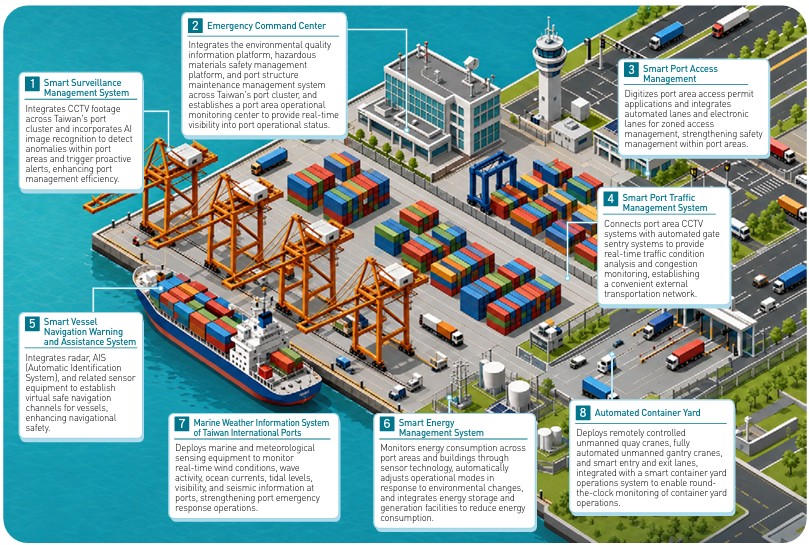
- Establish an Emergency Command Center to integrate environmental information and operational dynamics, provide information on emergency incidents, and improve the efficiency of decision-making in emergency response.
- All automated gate sentries in Taiwan's port clusters have been equipped with AI recognition technology, improving vehicle recognition rates and shortening vehicle clearance times from 4 minutes to 10 seconds. This has improved the safety and efficiency of traffic flow and reduced carbon emissions by approximately 2,709 metric tons of CO2e per year.
- Safety controls for critical port infrastructure have been upgraded through the use of smart CCTV monitoring, sensor deployment, and AI image recognition to detect and report abnormal conditions in real time.
- Established the Charging Principles for Shore Power Services for Container Vessels at International Commercial Ports, creating a charging mechanism for the Company's self-developed shore power facilities.
- In support of the government's policy to promote the development of the unmanned vehicle industry, the Company designated an additional 7.47 hectares of water area at the Port of Kaohsiung and 2.67 hectares at the Port of Suao as dedicated testing sites for surface and underwater unmanned vehicles. These sites were officially opened for applications from Taiwan's ICT industry and relevant organizations on September 1, 2025Note.
Note: From September 1, 2025, to April 9, 2026, no applications were received for the dedicated surface and underwater unmanned vehicle testing sites at the Ports of Kaohsiung and Suao.
Comply with the SDGs
- SDG8【SDG 8.2;8.4】
- SDG9【SDG 9.4;9.5;9.8】
Management Policy
Covered material topics
- Business model optimisation and innovation
Policy
- Smart Port Development
Management Evaluation System
- Smart Port Development【Smart Ports and Digitalized Operations Management】
- Smart Port Development【AI Steering Committee】
Smart Port Development
Guided by a development vision centered on technological innovation and accelerated digital transformation, Taiwan International Ports Corporation (TIPC) is creating a new generation of digital services for traditionally operated ports. In 2021, TIPC launched the Trans-SMART 2.0+ Upgrade Program, establishing a roadmap for the smart development of Taiwan's port network through 2030. Built around four core pillars—operational safety, operational efficiency, service quality, and sustainable development—the program is driving the phased implementation of key smart port initiatives.
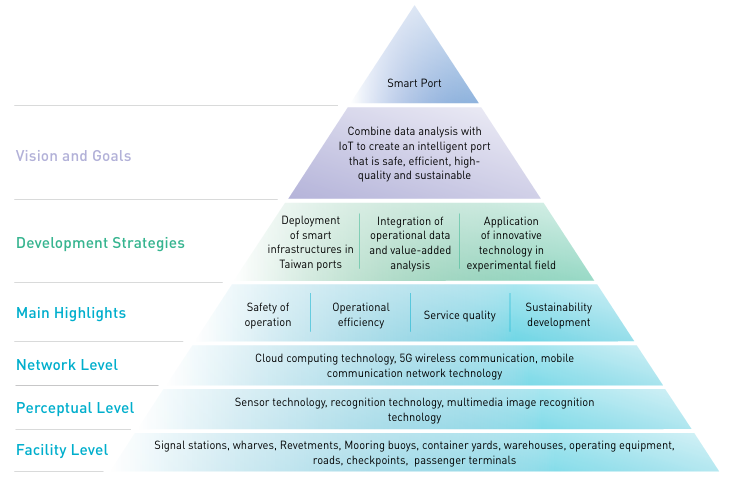
Smart Port Development Framework of Taiwan Port Cluster
Smart Ports and Digitalized Operations Management
In order to continue to promote smart port development, three major development strategies have been formulated, focusing on the “deployment of smart infrastructures in Taiwan ports", "integration and analysis of value-added operational data", and "application of innovative technologies in experimental fields", so as to enhance the smart port facilities and promote the deployment of various emerging technologies at each port.
Working with Port Area Businesses on Digital Transformation - Digital Transformation Incentive Program
In order to encourage The shipping and port industry ecosystem to embrace digital transformation, TIPC is offering substantial incentives and subsidies to assist Port users in introducing innovative digital services. In 2025, TIPC announced the Port Industry Digital Transformation Incentive Program, receiving a total of 10 project proposals. The proposals covered initiatives such as automatic license plate recognition, energy management system implementation, and greenhouse gas inventory management. These initiatives are expected to reduce vehicle waiting times, enhance visibility into energy consumption, and support environmental sustainability.
Showcasing Smart Port Achievements
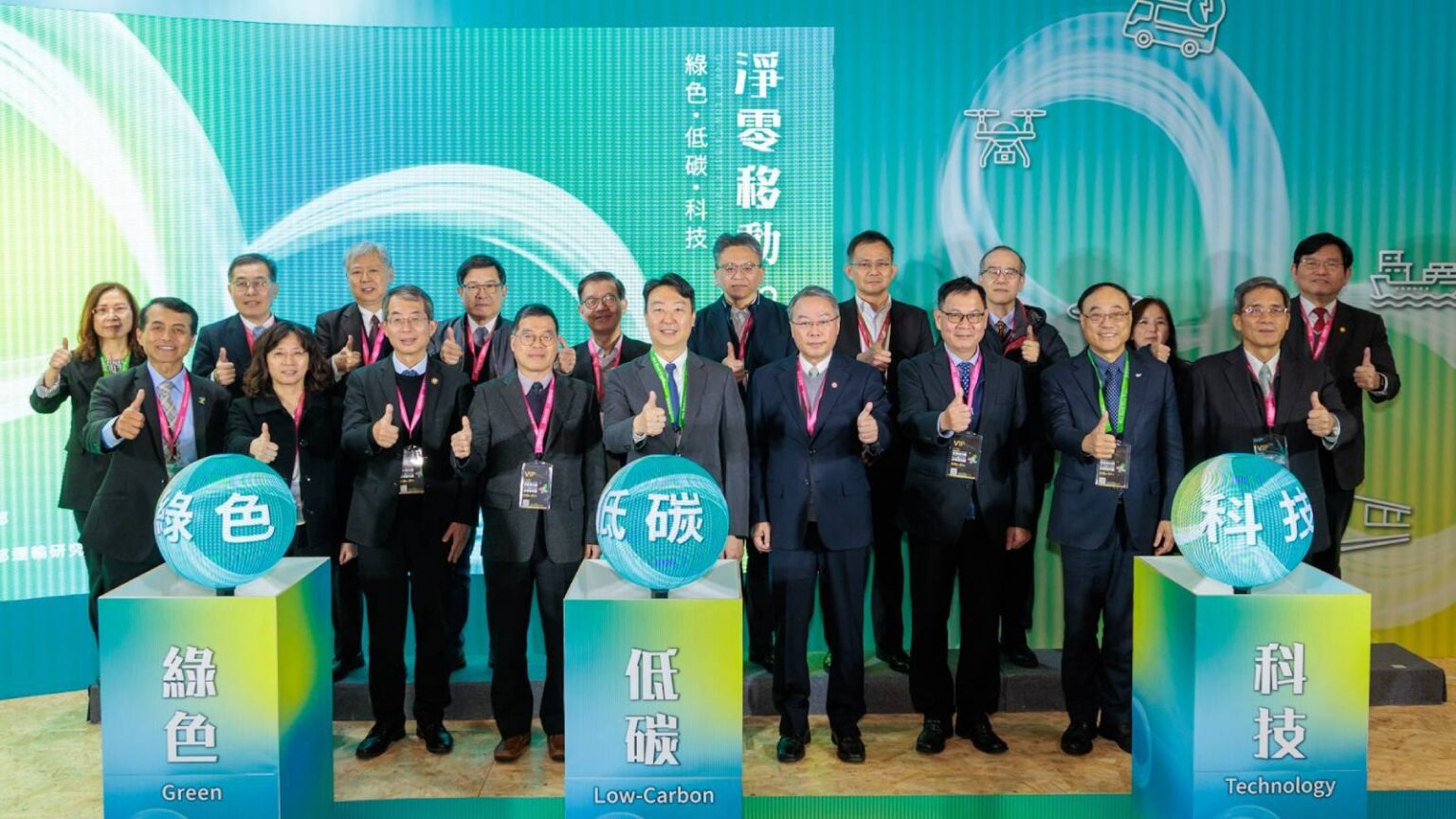
In response to the global transition toward digital technologies and net-zero transformation, TIPC is advancing the Taiwan Smart Port Transformation Program by integrating smart technologies to drive the dual transformation of digitalization and sustainability across Taiwan's port network. To showcase its achievements in smart energy management and low-carbon applications, TIPC participated in the 2025 Smart City Summit & Expo and 2050 Net Zero City Expo, held from March 18 to 21, 2025.Under the theme "Smart Technologies for Greener and More Sustainable Ports," the Company highlighted key initiatives in smart energy management, digital plant management, and low-carbon transportation and logistics parks. In addition, TIPC partnered with Tonglit Logistics Co., Ltd. to develop the Taipei Port South Terminal Smart Vehicle Industrial Park, integrating smart green energy solutions with automotive logistics technologies to establish a low-carbon transportation hub.
TIPC Enhances the Digital Resilience of Its Port Operations System Through Microsoft Azure Taiwan Region
In collaboration with Microsoft Taiwan, TIPC successfully migrated part of the Taiwan Port Net (TPNet) system to Microsoft’s Azure cloud platform (Microsoft Taiwan North Region), making it one of the first major public-sector cases in Microsoft’s Taiwan Data Region. Migrating the system to the cloud not only enables TIPC to capitalize on the scalability and flexibility of cloud technologies, but also supports international ESG trends in energy conservation and carbon reduction. At the same time, the deployment complies with government cybersecurity policies and data residency requirements, strengthening data governance through a compliant, secure, and digitally resilient operating environment. TIPC is also accelerating the adoption of AI technologies to generate data-driven insights, optimize decision-making, and enable timely access to operational information across its ports.
AI Steering Committee
As the operator and manager of Taiwan's seven international commercial ports, TIPC established the AI Steering Committee in 2025 in response to the global digital transformation of maritime transport, the rapid advancement of generative AI technologies, and the government's AI policy initiatives, while also supporting the implementation of the seven strategic initiatives established by the Ministry of Transportation and Communications' Transportation AI Promotion Committee.
Based on the operational needs of port management, the Committee is organized into five working groups: Port Operations and Engineering, Business Management, Administrative Services, Applied Technologies, and Talent Development. Through cross-functional and cross-company collaboration, these working groups identify opportunities for AI adoption and develop AI application proposals.
Through structured governance and systematic management, the AI Steering Committee ensures that AI technologies are closely aligned with TIPC's operational needs and strategic objectives. Focusing on three key priorities: enhancing operational resilience, accelerating the net-zero transition, and strengthening safety management, the Committee drives AI adoption to further enhance the international competitiveness of Taiwan's port network. Led by the AI Steering Committee, TIPC has established a governance framework to ensure that the development and application of AI technologies are aligned with the Company's business objectives. A dedicated unit is responsible for monitoring and managing the progress of AI initiatives, while regular meetings of the AI Steering Committee and project working groups are convened to review implementation progress, discuss key issues, and ensure that AI initiatives remain aligned with the Company's strategic direction.
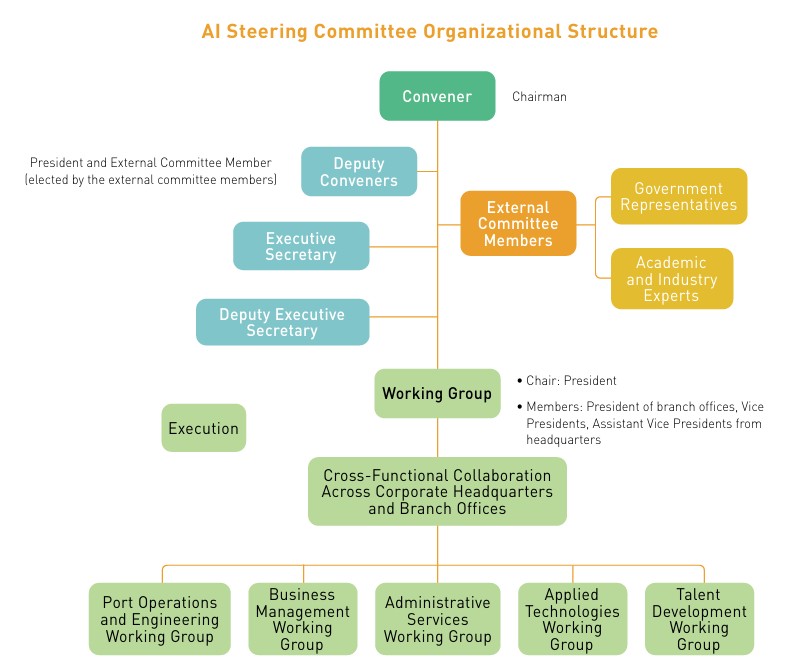
AI Steering Committee Organizational Structure
TIPC's AI implementation framework is built around five key principles: (1) identifying specific operational pain points, (2) defining clear implementation objectives, (3) evaluating implementation benefits based on quantitative performance metrics, (4) establishing monitoring KPIs, and (5) setting implementation milestones. AI proposals submitted by relevant departments are reviewed and evaluated to further strengthen the governance framework and enhance implementation effectiveness. During the reporting year, the Company convened one AI project working group meeting and conducted three AI project working group requirements interview sessions. These sessions focused on identifying operational pain points and assessing the feasibility of AI adoption to address business needs.
AI Talent Development Program
In accordance with the planned TIPC AI Learning Pathway, the Company has established a systematic talent development framework to cultivate three categories of AI professionals: those who can plan, apply, and develop AI solutions. This structured approach helps address capability gaps, align technological capabilities with business needs, and accelerate the Company's AI-driven digital transformation.
TIPC conducted 12 sessions of the "AI Applications for Beginners" training program, enabling employees across departments to quickly become proficient in AI tools and integrate them into their daily administrative and professional work. The program received a 99% participant satisfaction rate based on post-training feedback.
TIPC organized nine "AI Applications in Practice" workshops tailored to the operational needs of individual business units. By engaging leading international technology companies to facilitate solution-oriented discussions and hands-on learning, the workshops strengthened employees' practical AI application capabilities and promoted the effective adoption of AI in business operations.
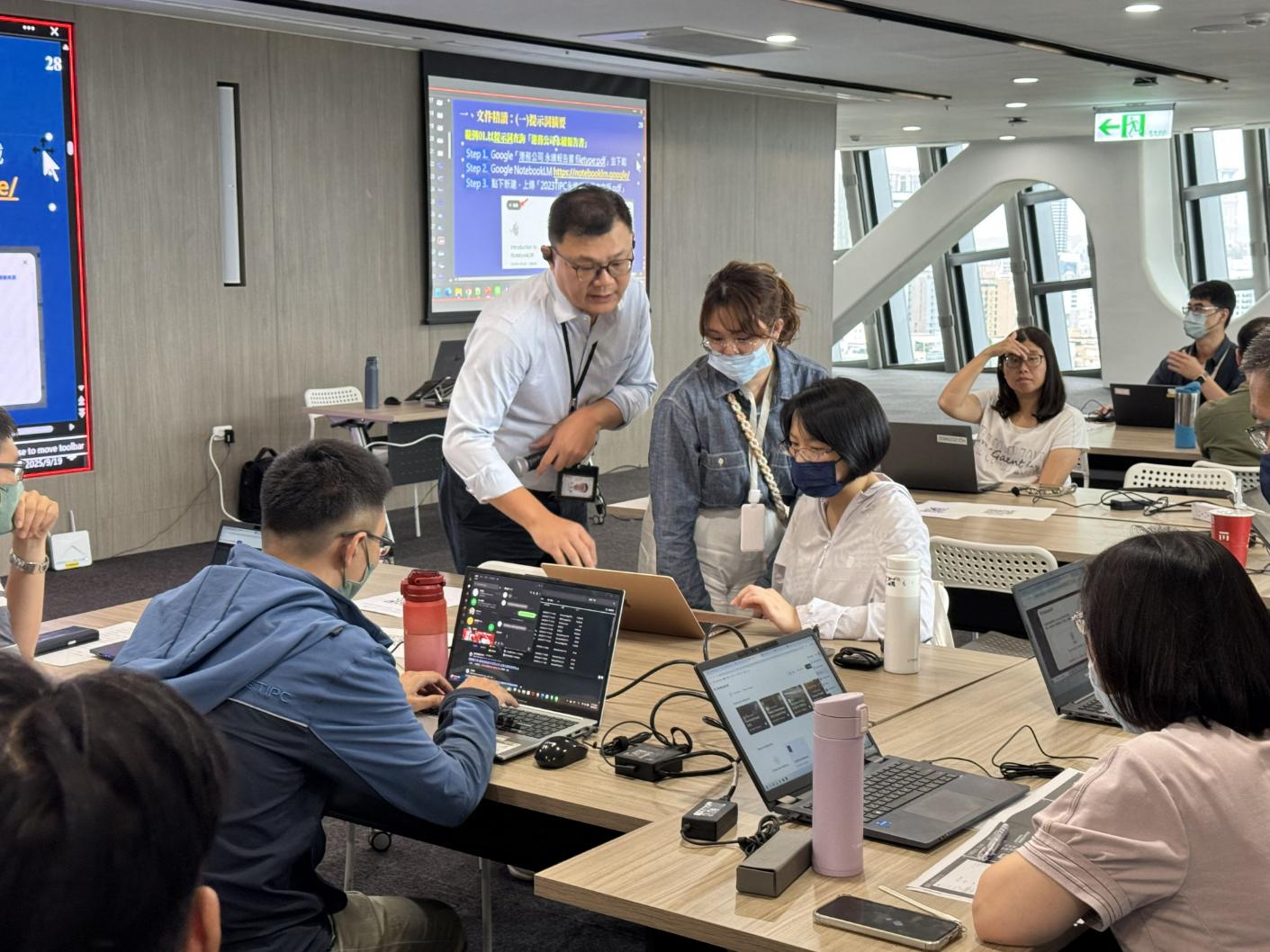
"AI Applications for Beginners" training program
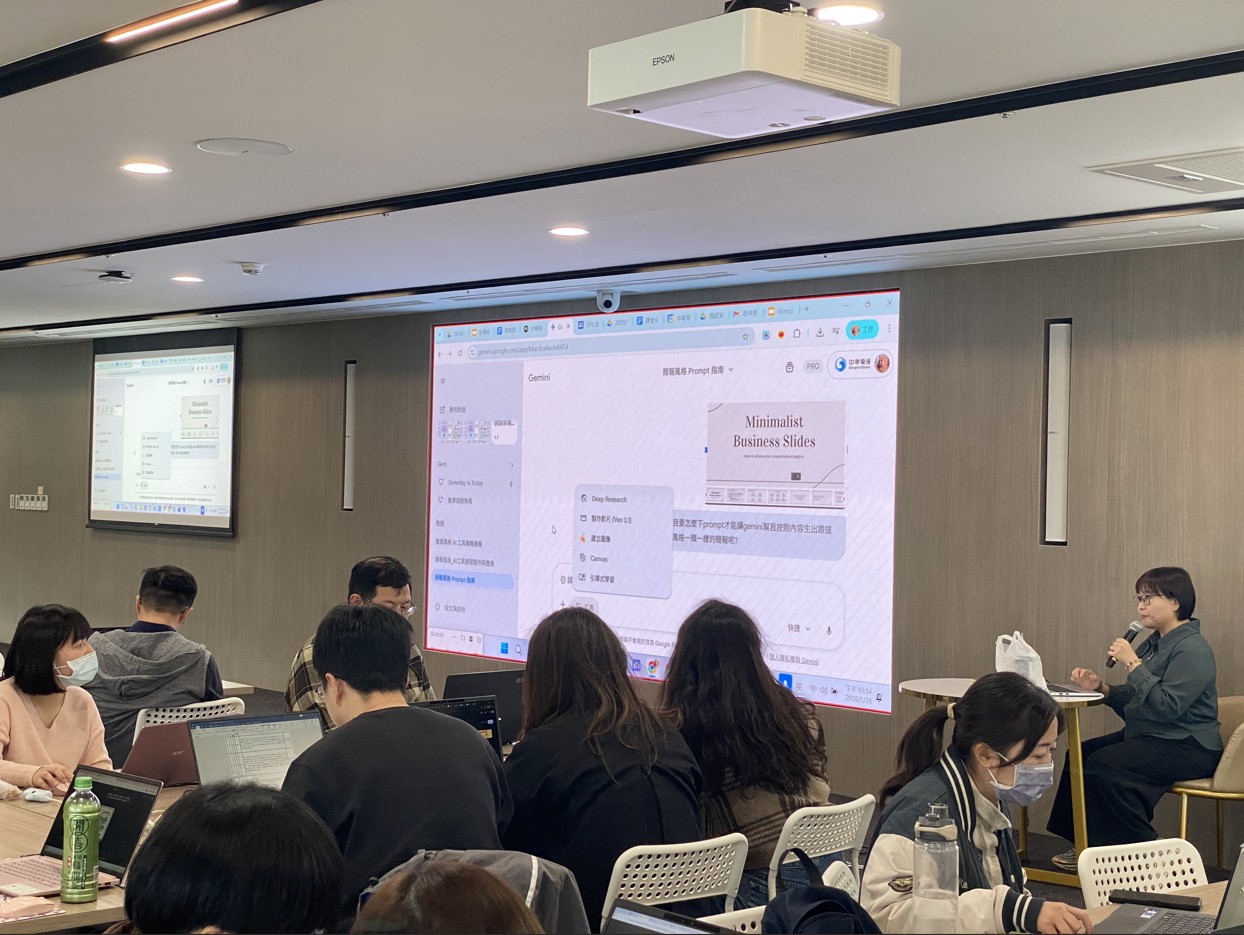
AI Applications in Practice
Corpus
TIPC proactively publishes non-confidential data on the Open Government Data Platform, demonstrating its commitment to transparent governance. The Company has also established an Open Data Advisory Group, comprising representatives from relevant departments to jointly review the scope of data to be released and oversee data inventory management. All datasets are provided in structured, machine-readable formats, including JSON, CSV, and XML, and are updated in a timely manner to ensure data currency. If errors or sensitive information are identified, corrective procedures are initiated immediately, and the incident is reported within 24 hours. In addition, TIPC continuously safeguards data quality through regular monitoring of missing fields, format errors, and data integrity and logical consistency checks.